

Revenue Stagnation and Market Opportunity
Most pack-and-ship retailers see flat or declining revenue from traditional services like business cards, flyers, and standard print jobs. Meanwhile, packaging and label printing continue to grow at a steady clip—typically 5–8% annually—driven by e-commerce fulfillment and direct-to-consumer brands. This isn't a temporary blip. Customer behavior has shifted, and that shift creates a direct opportunity for expanding your packaging services.
Here's the problem: your existing customers already buy custom packaging, shipping labels, and product stickers. They just buy them somewhere else. You lose wallet share to packaging suppliers who offer 30–50% higher margins than core print work.
The gap isn't capability—it's capacity and focus. Add packaging services to your operation, and you recapture revenue that's already walking out the door. You also tap into a market segment with stronger margins and repeat purchase cycles.
Packaging Services Priority Matrix for Your Store Expansion
Not every packaging service fits every budget or timeline. The key is matching service types to your existing equipment, identifying what customers already ask for, and understanding which categories deliver strong margins without requiring new capital.
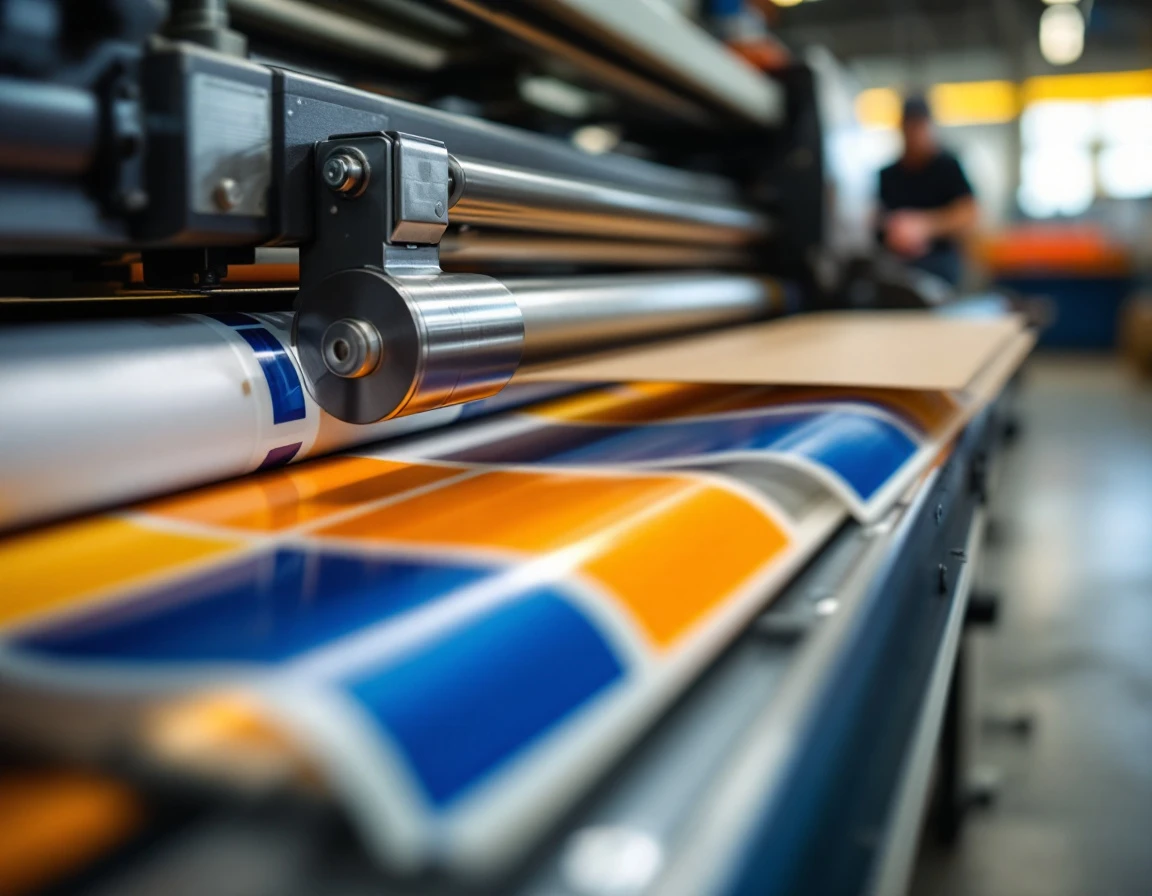
Tier 1: Minimal Investment. Custom labels and stickers sit at the top of the priority list for most stores. If you already run a roll-fed digital printer, you can produce short-run product labels, shipping stickers, and branded packaging tape with almost no new equipment. Customers who order business cards or flyers often need product labels for their ecommerce stores—capturing that work in-house keeps revenue under your roof. Margins typically run higher than offset printing, and you can turn jobs in days instead of weeks.
Tier 2: Moderate Expansion. Folding cartons and retail boxes require a digital cutting table or flatbed cutter. The equipment cost ranges from mid-tier to substantial, but demand signals are strong: local bakeries, cosmetics brands, and subscription box companies all need custom packaging. ROI timelines depend on order frequency, but stores that secure two to three recurring clients often recover equipment costs within the first year.
Tier 3: Capital-Intensive. Corrugated shipping boxes and protective packaging involve dedicated machinery, material storage, and higher minimum order quantities. This tier makes sense only after you establish demand through Tier 1 and Tier 2 services, or when a major client commits to volume contracts upfront.
Quick-Win Services for November Launch
Custom labels, hang tags, and stickers represent the fastest path to packaging revenue. They require only software updates or lightweight hardware additions. A basic label printer or digital cutter can be installed in days, not weeks, making these services ideal for stores targeting the November–December peak season.
The timeline matters because holiday packaging campaigns are typically finalized by September. Stores that launch these services before November can still capture orders for holiday shipments, testing customer demand during the busiest retail quarter. This creates immediate revenue while generating proof-of-concept data that informs whether to invest in higher-tier equipment during 2027.
Start with quick-win services and transform Q4 into a live testing environment. You'll learn which customers need branded packaging, what price points work, and how much capacity your current workflow can handle before committing to larger capital investments next year.
Medium-Term Capabilities (Q1 2027+)
Once you validate market demand through label printing services in Q4, the path opens for higher-investment packaging solutions. Custom corrugated boxes, branded mailers, and protective packaging require die-cutting equipment, box-forming machinery, or industrial corrugators—capital outlays that deliver sustained revenue growth when timed properly.
Use Q4 2026 to evaluate equipment options while cashflow remains strong from your initial service launches. Track which customers request custom boxes for their holiday orders, which sizes appear most frequently, and where you're referring business to outside suppliers. These demand signals guide smart purchasing decisions.
Deploy new equipment in early 2027 after holiday volume clears and you have bandwidth to train staff and refine workflows. The margin profile on custom packaging justifies a 12–18 month ROI horizon, and this medium-term wave unlocks the full revenue expansion your existing customer base represents.
Customer Demand Signals and Testing
Before investing heavily in packaging equipment, validate demand with the data you already have. Start by surveying your existing customer base on packaging pain points: Are they sourcing custom labels elsewhere? Do they struggle to find branded mailers in small quantities? Which services would they buy from you if available?
Next, analyze transaction history to identify your top 20 accounts by order frequency and total spend. These high-touch customers are easiest to cross-sell because they already trust your quality and turnaround. Approach them in early October with a beta offering—early-bird rates on custom labels or hang tags specifically for their holiday campaigns. Frame it as exclusive access to a new service you're piloting.
Track November and December orders carefully. Document which customers place repeat orders, average order values, and any feedback on turnaround or customization needs. This real-world performance data becomes your business case for phase-two investments in adding packaging services. Giving you concrete proof of demand when seeking equipment financing or capex approval in early 2027.
Launch Execution and Q4 Timeline
With November 2026 as your target, October becomes setup month. The key activities include:
- Finalize software integrations (ParcelPuffin's platform handles order intake, tracking, and customer communication in one system)
- Lock in vendor terms for label stock and specialty materials
- Train counter staff on quoting and order intake
- Notify your top ten accounts that packaging services are now available with a simple capabilities sheet and pricing grid
November 1–15 is your order window. Accept orders for custom labels, hang tags, and stickers with delivery by mid-December. Holiday budgets lock in early, and any store entering November has just four weeks to convert interest into orders. Keep the process simple: flat pricing, quick turnaround, and minimal customization options.
December is fulfillment and feedback collection. Deliver completed orders, then follow up with a short survey or phone call. This first season is a test, not a revenue goal. The data you collect—order volume, average ticket size, and customer interest in future services—becomes the foundation for your 2027 expansion plan.
Profitability, Technology, and Next Steps
Packaging services command higher margins than traditional print work, which means Q4 profits can fund phase-two equipment without requiring external financing. Revenue from custom labels, hang tags, and quick-win services provides the capital to purchase box-making machinery or mailer equipment in early 2027, turning your holiday proof-of-concept into a sustained expansion cycle.
Integrated order management and POS systems become critical at this stage. Track packaging revenue separately from print jobs so you can calculate per-service margins, identify which offerings perform best, and demonstrate ROI to stakeholders or lenders. ParcelPuffin's reporting tools let you isolate packaging revenue streams and track profitability in real time. Once you can show that custom labels generated a specific margin over three months, justifying a corrugated cutter becomes a data-backed decision rather than a gut instinct.
Q4 2026 validates demand. The 2027 scaling phase delivers the full revenue expansion your store needs to compete in a changing market.
Ready to add packaging services to your retail operation? Contact ParcelPuffin to discuss how our platform supports multi-service workflows, simplified order intake, and profitability tracking for pack-ship-print businesses expanding into packaging. We'll walk you through the technology setup and help you launch before the holiday rush.