

Small Business Saturday Marketing Tips for Your Store
Running a retail store during Small Business Saturday means managing higher traffic, longer transaction times, and coordinated promotions—all while keeping your POS system and shipping operations running smoothly. Independent retailers often face the same challenge: balancing promotional offers with healthy margins while managing inventory across multiple sales channels and shipping integrations.
Small Business Saturday draws holiday shoppers
Small Business Saturday attracts shoppers who actively want local alternatives to chain retailers. Creating a ready-made audience for independent stores. These customers arrive motivated to support community businesses, making them more receptive to your promotions and more likely to share their finds with friends and neighbors.
The event's November timing captures early gift-buying momentum before Cyber Monday shifts attention online. Shoppers browsing your store on Small Business Saturday are often beginning their holiday lists, giving you first access to their spending before digital deals dominate.
Independent retailers capture full transaction value and customer data
When a customer buys from your independent store, you capture the full transaction value and the customer relationship. Unlike marketplace-based sales, every dollar stays in your business—and that customer data fuels your loyalty program, your email list, and your POS analytics.
The customer relationships you build during this shopping event extend well beyond one day. Shoppers who discover your store in November return for holiday gifts in December and January replenishment purchases, creating year-round loyalty that drives repeat sales throughout the season.
High-Margin Promotion Formats
If you discount everything equally—say, 20% off all SKUs—you compress margins across high-ticket and low-ticket items alike. A tiered discount structure tied to cart thresholds preserves more revenue. For example:
- $15 off orders of $50 or more
- $30 off orders of $100 or more
A customer buying $110 worth of home goods receives $30 off, leaving you with $80 in revenue—a 27% discount. With 20% off, that same basket nets $88, but customers perceive dollar-based thresholds as more attainable. Your POS reports will show which threshold drives the most cart-size growth.
Small Business Saturday discount and offer ideas work best when they balance customer appeal with margin protection. Bundle offers work especially well in gift retail and specialty stores. Pair a candle with a matching tray, or group three skincare items into a curated self-care set at a fixed price slightly below the sum of individual SKUs. Bundles increase average transaction value without the margin compression of blanket discounts, and they help move complementary inventory that might otherwise sit through December.
Loyalty incentives drive repeat traffic without cash discounting. Offer double points on Small Business Saturday purchases, or give existing members early access to limited inventory starting Friday evening. These tactics reward your best customers and create exclusivity that builds anticipation. A customer who earns meaningful points through a holiday purchase feels valued and returns to redeem that credit in January, extending the revenue cycle beyond the season.
Category-specific promotions during defined hours help manage traffic flow. Announce a two-hour window—10 a.m. to noon—when purchases in a specific category (home décor, for example) include a small gift-with-purchase. This concentrates foot traffic during slower morning hours and raises average transaction size. The added item costs you wholesale rates, but the bump in basket size often offsets that expense while keeping per-item margins intact.
Building Local Partnerships
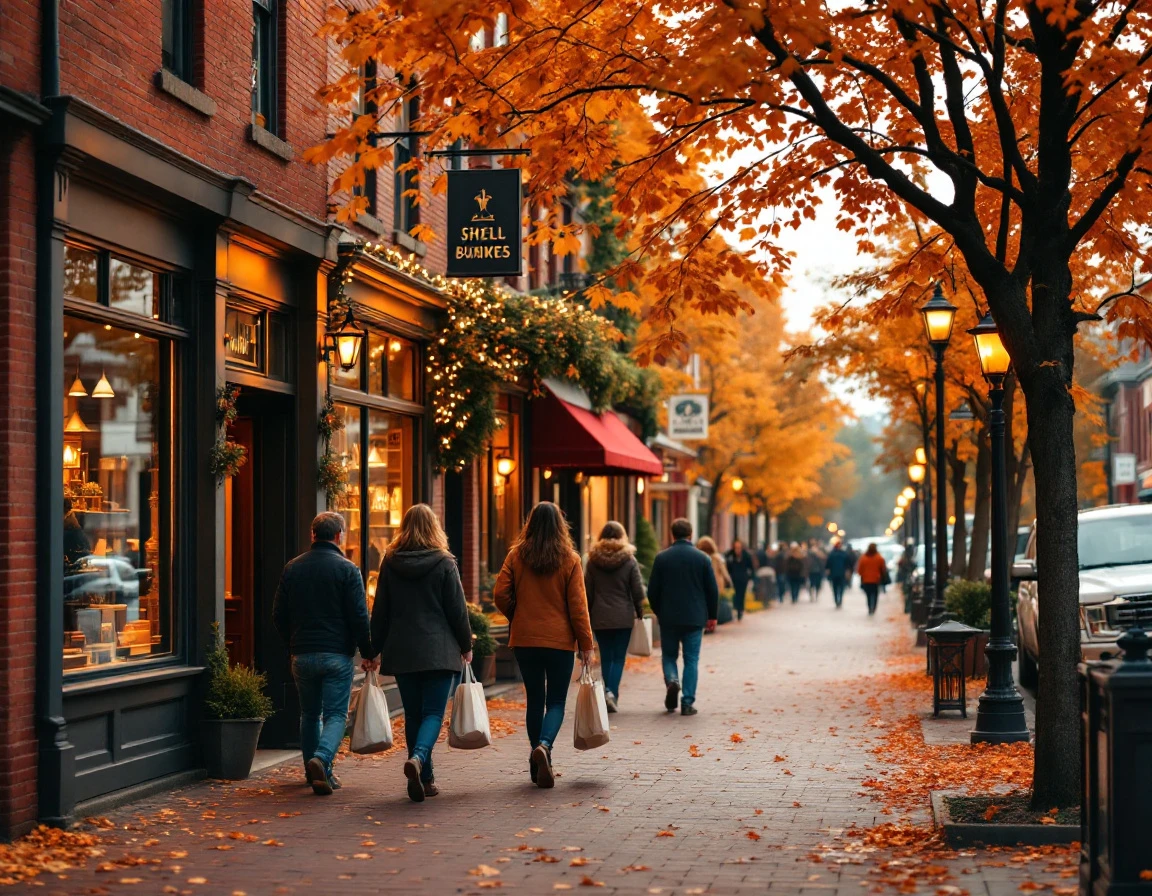
A boutique selling handcrafted goods can multiply its Small Business Saturday reach by partnering with a nearby coffee shop, offering a joint punch card that rewards customers for visiting both locations. Small Business Saturday community engagement tactics like cross-promotion agreements expand your audience without competing for the same customer—complementary local businesses create natural synergies that benefit everyone involved.
Start by identifying non-competing retailers, cafés, or service providers whose customers align with yours. An apparel store might co-host a trunk show with a local jewelry maker, splitting venue costs and promotion efforts while drawing each other's customer bases. A gift shop could partner with a wine bar for a holiday happy hour, sharing social media campaigns and in-store signage that promotes both businesses.
The pitch is simple: offer partners what they value most—foot traffic, shared promotion budgets, and in-store cross-display opportunities. A coordinated marketing push starting in early November extends your promotional runway well beyond Saturday itself, giving customers multiple touchpoints before the event. Joint Instagram posts, shared email blasts, and co-branded flyers distributed across partner locations multiply your audience size while cutting individual marketing spend.
Local business networks and chambers of commerce provide ready access to aligned retailers who share your goal of building community narrative around supporting local. When multiple storefronts coordinate messaging, Small Business Saturday becomes a neighborhood-wide celebration rather than isolated promotions. These partnerships act as force multipliers, extending Saturday's sales momentum across different customer segments and creating lasting relationships that drive repeat business long after November ends.

Pre-Saturday Communication Strategy
Your Small Business Saturday sales strategies for independent stores should launch two weeks before the event, not the day before. Start the first week of November with awareness-building campaigns that announce the event, highlight your community involvement, and tease upcoming promotions. This early window captures attention before shoppers commit their calendars and wallets to Cyber Monday planning.
Week one messaging focuses on awareness and invitation. Send an initial email with a subject line like "Mark Your Calendar: Our Biggest Community Event of November" and begin social media posts that introduce the event theme and build anticipation. Week two shifts to specifics. Email subject lines evolve to "This Saturday Only: Exclusive Offers Inside" while social content shares product highlights, bundle details, and time-specific promotions.
Omnichannel touchpoints multiply your reach. Send email to your subscriber list, activate SMS for loyalty members who opted in, post daily social content across platforms, update in-store signage, and coordinate with local partners for shared promotion. Each channel reinforces the same message hierarchy: event announcement, promotion details, community angle, and final-days reminder.
Offering loyalty members early access—such as Thursday preview hours or exclusive Friday discounts—rewards existing customers while driving list capture in the weeks before Saturday. Shoppers who sign up for early access become email subscribers and SMS contacts, building your marketing audience for December and beyond. This pre-event communication transforms Small Business Saturday from a single-day spike into a sustained lead-generation engine that fuels holiday sales and long-term loyalty.
Converting Saturday Traffic to December Loyalty
Small Business Saturday brings new faces through your door, but the real revenue opportunity begins after the event. Capturing customer contact information during Saturday transactions transforms one-time shoppers into repeat buyers through December and beyond. Design a simple in-store loyalty sign-up flow at checkout — whether paper forms or tablet-based entry — and incentivize participation with an immediate discount or exclusive offer valid for December purchases.
The follow-up sequence starts within 24 hours. Send a thank-you email that reinforces the personal, local experience that drew them to your store on Small Business Saturday. Within three to five days, use transactional data from their Saturday purchase to send personalized product recommendations. If they bought candles, suggest complementary scents or gift sets. If they purchased clothing, highlight matching accessories or upcoming arrivals in similar styles.
One to two weeks after Saturday, deliver an exclusive December offer that positions your store as their go-to destination for holiday gift shopping. This could be early access to a holiday gift guide, a special discount code for December purchases, or a private shopping event for loyalty members. Each message should maintain the community-focused tone that made Small Business Saturday appealing in the first place — mention local partnerships, highlight handpicked selections, and remind them why shopping local matters.
Stores that execute this post-Saturday nurture sequence convert event traffic into repeat customers who return throughout December and January. Independent retailers use captured contact data to build relationships that extend revenue momentum well past a single Saturday. This personal relationship infrastructure becomes your competitive advantage during the busiest shopping season of the year.