
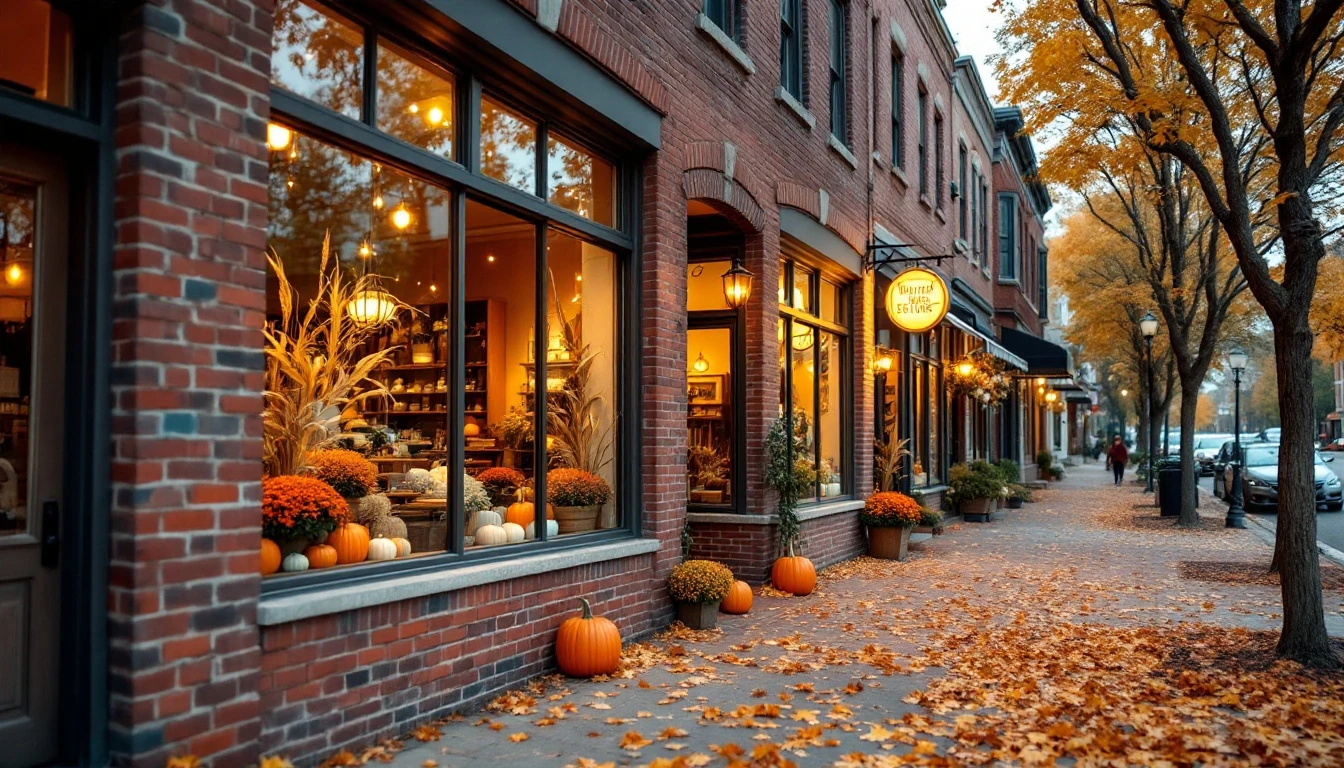
Why Small Business Saturday Matters for Strategic Promotions
Small Business Saturday is November's biggest foot traffic event for independent retailers—but only if you prepare. The stores that see real sales gains are the ones with a plan in place. Effective Small Business Saturday promotions turn foot traffic into measurable sales when retailers combine timing, preparation, and community focus.
Small Business Saturday drives measurable foot traffic lift during November's peak shopping season
Small Business Saturday sits at the perfect moment in November's retail calendar—right after Black Friday's frenzy and before Cyber Monday's digital rush. Running a retail store during Small Business Saturday feels chaotic if you're not ready. But stores that plan ahead—with clear discounts, trained staff, and email ready to go—see foot traffic 20-40% higher than a normal Saturday.
Stores that tie discounts to community messaging, partner with neighboring businesses for cross-promotions, or offer loyalty rewards during the weekend outperform regular Saturday sales. The difference comes down to preparation: retailers who promote the event through email, social media, and in-store signage in the week leading up convert November's shopping momentum into real dollars.
Community-centered positioning lets you compete
Big-box retailers compete on price and inventory breadth. Independent stores win on local connection and engagement. When you anchor your Small Business Saturday strategy around community partnerships and neighborhood visibility. You create an advantage chain stores can't replicate—turning foot traffic into loyal customers who return beyond the holiday weekend.
Small Business Saturday Retail Strategies: Discount and Bundle Structures That Drive Results
The trick is offering a discount that brings customers in without cutting your profit too thin. You want bigger baskets without giving away margin.
Three discount structures work best for independent retailers—and all three take minimal prep time.
- Limited-time percentage discounts in the 10-20% range push urgency without deep margin cuts. Apply these to specific product categories or customer segments rather than storewide markdowns. A 15% discount on select items for three hours drives foot traffic while preserving profitability on your full catalog.
- Bundle deals increase average transaction value by pairing complementary products. Buy-one-get-one offers, category bundles (like a greeting card with a shipping envelope), or tiered discounts (buy three, get 20% off) encourage customers to add items they hadn't planned to purchase. This approach lifts basket size while moving inventory.
- Tiered loyalty rewards layer onto your existing promotions. Offer repeat customers double points on Small Business Saturday purchases or exclusive early access to bundle deals. This strengthens retention beyond the single-day event while rewarding your most valuable shoppers. The key is avoiding over-discounting that trains customers to wait for sales rather than purchasing at full price year-round.
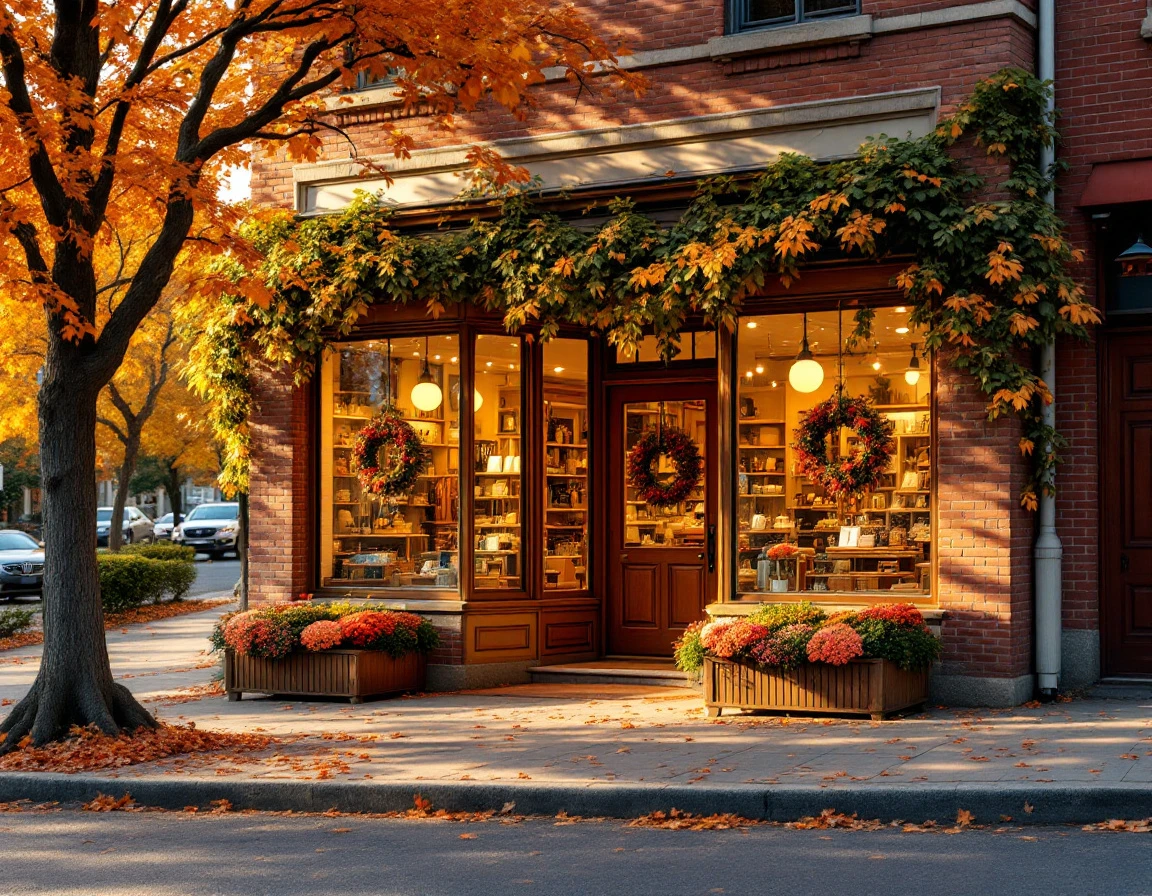
7-Day Pre-Event Marketing and Promotion Checklist
The week before Small Business Saturday is too late to plan your strategy, but it's the perfect window to execute high-impact, low-cost marketing. Each day leading up to the event should focus on a single channel or touchpoint, turning awareness into action.
- Tuesday: Send your first email blast to your customer list. Announce your promotion, highlight exclusive offers, and remind subscribers why shopping local matters. Keep the subject line direct and time-bound.
- Wednesday and Thursday: Roll out your social media content calendar. Post daily reminders, behind-the-scenes content, and product spotlights. Tag local partners and use hashtags like #SmallBusinessSaturday and your town name to expand reach.
- Friday: Place printed signage in your storefront windows and at the register. Coordinate with neighboring businesses to cross-promote each other's offers.
- Saturday (one week out): Pitch local newspapers, radio stations, and community event calendars. Most outlets accept last-minute listings at no charge, especially for community-focused events.
- Sunday and Monday: Send reminder emails and post final countdowns on social channels. Confirm that all partners have shared messaging and that your team knows the promotion details.
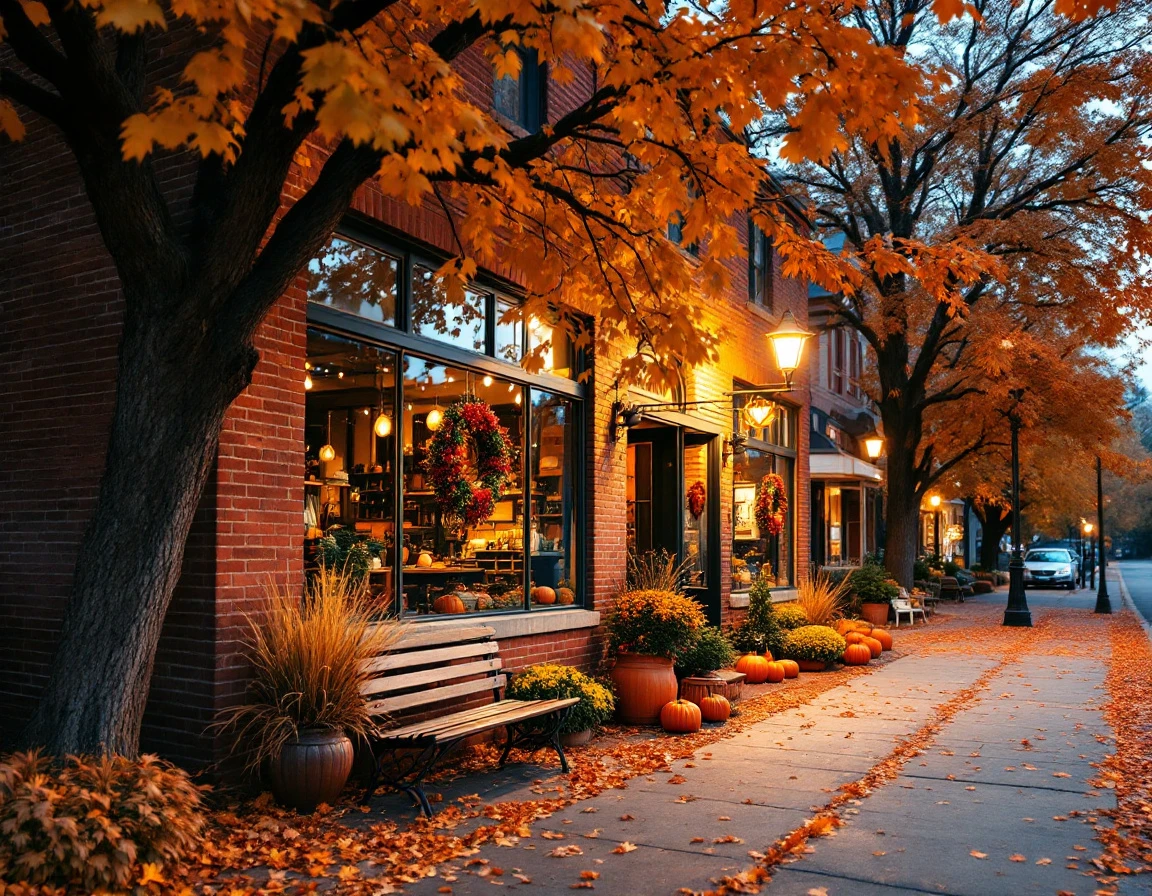
Community Partnership and Local Collaboration
Teaming up with nearby businesses spreads marketing costs across multiple storefronts while creating a community-hub atmosphere that big-box retailers can't replicate. A bookstore partnering with a neighborhood café can host a Saturday morning reading and coffee event, drawing foot traffic to both locations. A home goods shop might collaborate with a local interior designer to offer free consultations, giving shoppers expert advice while showcasing products in real-world applications.
Start by identifying complementary businesses within a two-block radius—retailers whose customers overlap with yours but don't compete directly. Pitch a simple value exchange: shared signage in both stores, cross-promotion on social channels, and pooled email lists for a joint Saturday announcement. For example, "Mention this card at the café next door for 10% off your purchase here, and vice versa." Small Business Saturday community engagement through partnerships multiplies your reach and splits costs across multiple merchants.
Co-branded events like tastings, workshops, or in-store demonstrations turn Small Business Saturday into a destination experience rather than a single transaction. Joint promotions split costs while doubling reach, and customers who discover multiple local shops in one visit are more likely to return.
This collaborative approach extends the foot traffic lift across your partner network, multiplying the sales impact for everyone involved.
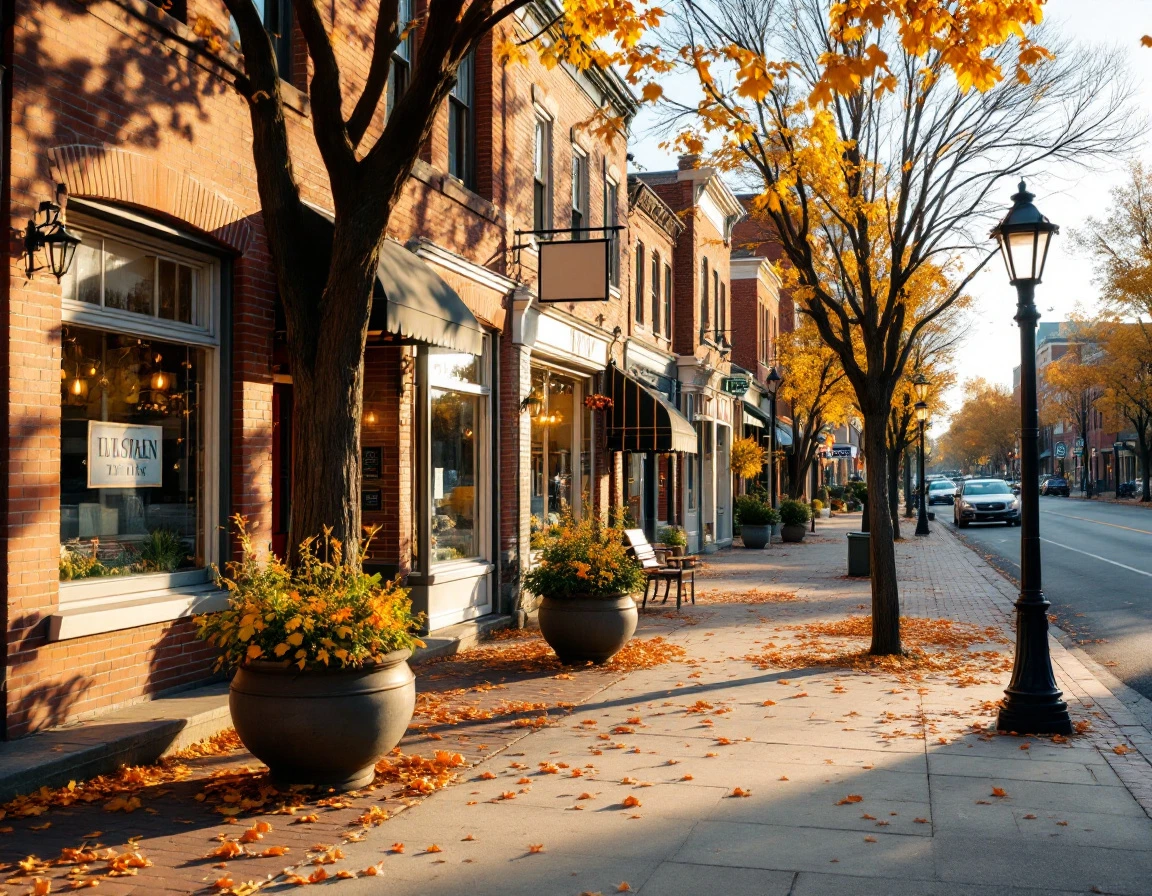
In-Store Engagement and Customer Experience
Once foot traffic arrives, your in-store setup and staff messaging determine whether browsers become buyers and one-time shoppers turn into loyal customers. Brief your team on the Small Business Saturday story: explain why the event matters for local commerce and how your shop participates in a national movement. This context builds confidence when staff mention promotions, upsell bundles, or invite customers to join your loyalty program.
Set up checkout displays with limited-inventory items and exclusive Small Business Saturday offers to create urgency. Live demonstrations—whether showcasing a new product, offering gift-wrapping stations, or running samples—draw attention and extend browsing time. Clear signage at the register reminds customers of day-only discounts and encourages larger basket sizes.
At the transaction level, ask every customer for their email address and mention loyalty enrollment. A simple "Would you like to hear about our next event?" captures contact information without feeling pushy. Follow up within 48 hours with a thank-you email and a limited-time offer to incentivize their next visit. Converting event-day momentum into repeat business.
Measuring Results and Scaling What Works
Once the event wraps, your ability to quantify results determines whether Small Business Saturday becomes a recurring growth engine or a one-time effort. Start by tracking foot traffic, transaction count, and average transaction value for the day. Compare these figures to the same Saturday last year and the week before to isolate the event's impact and confirm whether you achieved the 20-40% lift.
Document which promotions drove the highest return. If your bundle deal generated more basket growth than a straight percentage discount, or if a partnership brought in new customers at a lower acquisition cost than paid ads, capture those insights. This data becomes your playbook for preparing for the holiday season. Black Friday, Cyber Monday, and year-end peak seasons.
Treat this analysis as the bridge between event execution and long-term revenue growth. Retailers who measure, compare, and double down on proven tactics turn Small Business Saturday from an annual experiment into a repeatable seasonal advantage.